
Take Action
Challenge yourself this week to reach out to one person—whether it’s a call, a text, or a coffee meeting.
Or, if you feel ready, share your feelings with a counselor who can guide you toward healing.
The Story
In a world that seems more connected than ever—where messages, calls, and social media are just a tap away—loneliness remains an epidemic. You might feel like you’re the only one dealing with it, but you’re far from alone.
Research shows that loneliness is not just an emotional experience but a serious health concern. Prolonged loneliness has been linked to increased risks of depression, anxiety, heart disease, and even premature death.
But here’s the most important thing to know: loneliness is not permanent, and there are steps you can take to move toward connection and healing.
Understanding Loneliness:
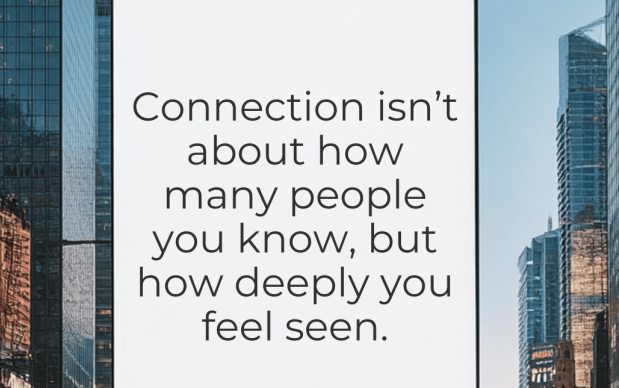
Loneliness isn’t just about being physically alone. It’s about feeling disconnected, unseen, or unheard—even in a crowd of people. It’s often tied to life changes, stress, or internal struggles that you feel you can’t share with others.
Signs of loneliness can include:
- Feeling like no one understands you
- A lack of close friends or confidants
- Difficulty finding joy in social interactions
- A longing for deeper relationships
If any of this resonates with you, it’s important to acknowledge it. Naming your emotions is the first step toward healing.
How to Start Releasing Loneliness:
- Talk to Someone
It’s natural to think no one will understand your feelings, but the act of opening up can be incredibly powerful. Reach out to a trusted friend, family member, or professional counselor. Start small—just expressing how you feel can lighten the emotional burden. - Rebuild Connections
Reflect on the relationships you value. Could you send a message or plan a meet-up with someone you’ve lost touch with? Sometimes, reconnecting with others can remind you of the meaningful bonds you already have. - Prioritize Self-Compassion
Loneliness often leads to self-criticism. Instead of judging yourself for feeling this way, show yourself kindness. Practice affirmations like: “I am worthy of connection, and it’s okay to feel lonely sometimes.” - Join Communities
Shared interests can lead to powerful relationships. Whether it’s a local class, a hobby group, or an online community, take the step to engage with others who share your passions. - Seek Professional Support
If loneliness feels overwhelming, don’t hesitate to reach out to a counselor or therapist. They can help you unpack your emotions, develop coping strategies, and create a roadmap toward a more connected life.
Loneliness is something we all face at different points in our lives, but it doesn’t have to define you. Taking small steps—like starting a conversation or joining a community—can make a big difference.
Remember, you are not alone in feeling lonely. The connection you crave is within reach—you just need to take the first step.
 WONDER
Leave a comment