
written by Marti Copeland
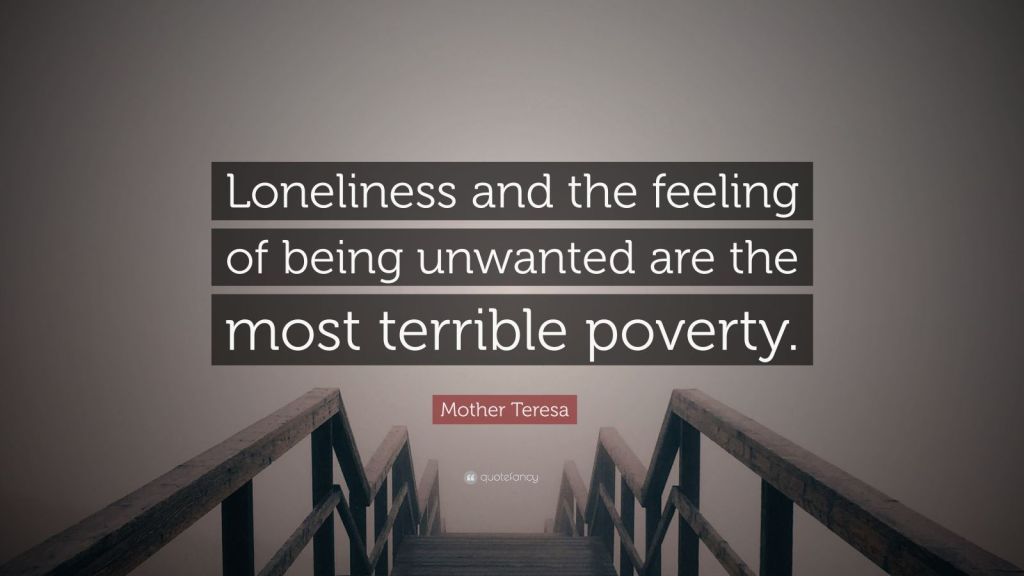
Leadership is often portrayed as bold, visionary, and resilient while standing at the front of the room, making decisions, inspiring others. But there’s a side of leadership that doesn’t get talked about nearly enough and I have heard many of my counseling clients mention in their sessions: the isolation.
What happens when you are the person everyone turns to, but you’re not sure who you can turn to?
This is a conversation we need to normalize.
Because behind the strategic decisions, polished presentations, and courageous calls, many leaders are navigating quiet moments of doubt, overwhelm, and loneliness.
People can feel wanted and unwanted for who they truly are at the same time.
And it’s not a sign of weakness but the epitome of us being human.
The Hidden Weight of Leadership
The pressures of leadership go far beyond titles and to-do lists. They include:
- The burden of decision-making, often under tight timelines and high stakes.
- The responsibility of caring for a team, even while managing your own personal challenges.
- The constant toggling between showing strength and being vulnerable.
Over time, without intentional outlets for support, leaders can experience burnout, imposter syndrome, and disconnection. And the higher you rise, the fewer peers you may feel truly get what you’re navigating.
How to Create Safe Spaces for Leaders
So how do we begin to shift this?
It starts with creating environments where leaders feel seen, heard, and supported, not just for what they do, but for who they are.
Here are a few ways to build (or find) that space:
- Fireside Chats:
These are not your standard meetings. Fireside chats are intimate, informal gatherings where leaders can talk about more than metrics. They’re about life, lessons, challenges, and growth. Think: wisdom-sharing without the pressure. - Peer Support Networks:
When leaders connect with other leaders, something powerful happens in terms of creating empathy. Whether it’s a monthly check-in, a curated cohort, or a WhatsApp thread, peer networks give leaders a sense of community and shared experience. - Therapeutic & Coaching Support:
There is real strength in seeking professional support. Therapists and coaches who specialize in leadership development can help unpack stress, offer perspective, and build resilience. It’s not about fixing. Instead, it’s about sustaining.
The Invitation
If you’re a leader feeling the weight of it all, know that you are not alone.
And if you’re someone who supports leaders, consider this your invitation to create space, ask the deeper questions, and listen without agenda.
Leadership doesn’t have to be lonely. In fact, it shouldn’t be.
Whether you start with one conversation, reach out to one person, or say “yes” to that gathering you’ve been avoiding. These are small steps that can lead to meaningful connection.
Because the truth is: even leaders need support. Especially leaders.
Take Action
Who’s in your support circle?
If you don’t have one, what’s one step you can take this week to start building it?
 WONDER
Leave a comment